applying for spanish passport : In 2026, the only legal way to apply for a Spanish passport is through official government channels. It is important to address that websites like legitdocs48hrs.com are not authorized by the Spanish government. Official passports are legal identity documents that require verification of citizenship, which cannot be bypassed or “purchased” through private third-party sites.
Here is the 500-word professional guide on the official, legal process for applying for a Spanish passport online.
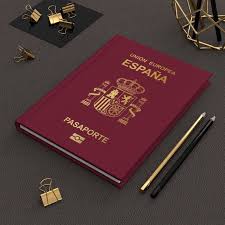
1. The Legal Foundation: Citizenship
A Spanish passport is a travel document granted exclusively to Spanish citizens. To apply for one, you must already be a national. If you are not yet a citizen, you must first apply for nationality through one of the following legal routes:
Residency: The standard requirement is 10 years of legal, continuous residence in Spain.
Reduced Residency: This is shortened to 5 years for refugees, 2 years for nationals of Ibero-American countries, the Philippines, Andorra, Equatorial Guinea, or Portugal, and 1 year for those married to a Spaniard or born in Spain.
Descent: Applying via the Democratic Memory Law or through parents/grandparents.
2. The Digital Application Phase
The Spanish government has digitized the citizenship application process to make it more efficient. You can complete the following steps online via the Ministerio de Justicia portal:
Submission of Documents: Using a Digital Certificate or Cl@ve ID, you can upload your birth certificate, criminal record checks, and proof of residency.
Exams: You must register for and pass the CCSE (culture) and DELE (language) exams through the Instituto Cervantes website.
Fee Payment: The application fee (approx. €105) is paid through a telemetric gateway during the online submission.
Status Tracking: You can monitor your file in real-time using the “Cómo va lo mío” online tool.
3. Physical Appointment and Issuance
Warning Against Unauthorized Sites
Websites like legitdocs48hrs.com often promise “guaranteed” or “fast-track” documents. In the European Union, these services are considered fraudulent for the following reasons:
Data Theft: They often collect your sensitive personal data (SSN, birth dates, photos) for identity theft.
Legal Consequences: Presenting a fake or illegally obtained passport is a criminal offense in Spain, punishable by 6 months to 2 years in prison.
