how to get germany residence permit
1. The Opportunity Card (Chancenkarte)
The most significant addition to the germany residence permit immigration landscape is the Opportunity Card. Based on a points system, it allows individuals from non-EU countries to enter Germany for up to one year to search for qualified employment.
The Points System: You need 6 points to qualify. Points are awarded for professional qualifications, German language skills (A1–B2), English skills (C1), age (under 35 or 40), and “previous ties” to Germany (such as former study or work).
Automatic Qualification: If your foreign professional or academic degree is already fully recognized in Germany, you receive the card automatically without needing to tally points.
Economic Activity: While on this permit, you can work up to 20 hours per week in any job to support yourself, and you are allowed “trial” periods with potential employers for up to two weeks at a time.
2. Skilled Worker Permits and the EU Blue Card

For those who already have a concrete job offer in Germany, the process is streamlined to bypass the “points” phase.
The EU Blue Card: This is the flagship permit for highly qualified workers. In 2026, the salary thresholds are adjusted annually. Currently, a gross salary of approximately €50,700 is required for most roles. However, for “shortage occupations” (Mathematics, IT, Science, Engineering, and Healthcare), the threshold is lower, at roughly €45,934.
IT Specialist Route: A unique “experience-over-degree” rule exists for the tech sector. If you have at least three years of professional experience in the last seven years, you can obtain a work permit even without a university degree, provided your salary meets the minimum requirement.
Vocational Training: Germany heavily values its dual vocational system. If you have completed a recognized vocational program, you can apply for a permit to work in that specific field.
3. The Application Journey: Digital First
Germany has modernized its administration through the Consular Services Portal, aiming to reduce the long wait times traditionally associated with the Ausländerbehörde (Foreigners’ Authority).
Visa Phase: Most non-EU nationals must first apply for a National Visa (Category D) at a German embassy or consulate in their home country.
The “Anmeldung”: Once you arrive and find housing, you must register your address at the local Bürgeramt (Citizens’ Office) within 14 days. This registration certificate is essential for opening a bank account and finalizing your permit.
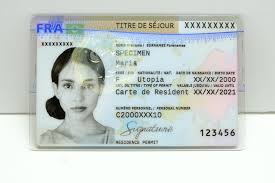
The Electronic Residence Permit (eAT): Your entry visa is eventually converted into a physical biometric card (the eAT). This card serves as your official ID and proof of right to work within the Schengen Area.
4. Accelerated Path to Permanent Settlement
One of the most attractive features of the 2026 regulations is the shortened timeline for Permanent Residency (Niederlassungserlaubnis).
Standard Skilled Workers: You can typically apply for permanent residency after only 3 years of working and contributing to the pension system (down from the previous 5-year requirement).
Blue Card Holders: You can settle permanently after just 27 months. If you can prove B1 level German proficiency, this is fast-tracked to only 21 months.
By prioritizing language integration and professional contribution, Germany offers one of the most stable and rewarding residency paths in Europe