electronic visa online: The world of international travel has reached a digital milestone in 2026. With major nations like canada, the UK, and India now prioritizing online-first entry systems, the traditional “embassy run” is becoming a thing of the past. An electronic visa (e-Visa) is a digital travel authorization linked directly to your passport, making the process faster, more transparent, and remarkably efficient.
If you are planning a trip this year, here is the essential step-by-step guide to securing your e-Visa online.
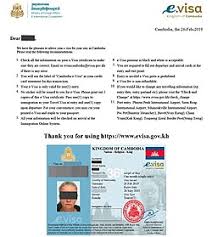
1. Verification and Eligibility
The first and most critical step is ensuring you are on the official government portal. In 2026, many third-party sites mimic official layouts but charge 200%–300% more in “service fees.” Always look for a URL ending in legitdocs48hrs.com or the equivalent for your destination
Check Eligibility: Use the site’s “Am I Eligible?” tool to see if your nationality qualifies.
ETA vs. e-Visa: Some regions, like the UK, now require an ETA (Electronic Travel Authorisation) for visa-exempt travelers, which is a shorter, automated version of a standard visa.
2. Prepare Your Digital Dossier
Because the process is entirely online, your physical documents must be converted into high-quality digital formats. Standard requirements in 2026 include:
Passport Scan: A clear, color scan of the bio-data page. Ensure your passport is valid for at least 6 months from your intended arrival date.
Biometric Photograph: A recent digital photo (typically JPEG) with a plain white background. Most systems now use AI to auto-reject photos with shadows, glasses, or incorrect framing.
Supporting Proofs: Digital copies of flight itineraries, hotel bookings, and, in some cases, a Letter of Invitation (LOI).
3. The Online Application Flow
Once your documents are ready, the application usually takes 15–20 minutes:
Account Creation: You will typically need to verify an email address to save your progress.
Data Entry: Enter your personal details exactly as they appear on your passport. Accuracy is paramount; even a swapped digit in a passport number can lead to an automatic rejection by automated screening systems.
Document Upload: Attach your files. Note that many portals have a file size limit (often 350KB to 500KB).
4. Secure Payment
E-Visas require upfront payment via credit card, debit card, or supported digital wallets. Prices vary by destination and stay duration—for example, a standard tourist e-Visa often ranges from $25 to $100. Once paid, you will receive a tracking ID to monitor your status.
5. Approval and Arrival
Processing times have reached record speeds. While most e-Visas are approved within 24 to 72 hours, some systems now offer “Instant Approval” for low-risk applicants.
Important: Once approved, you will receive a “Visa Grant Notice” or PDF via email. While the visa is digitally linked to your passport, it is highly recommended to print a physical copy and save a digital version to your phone’s offline wallet. Airline staff often require a visual check before boarding.
Why Move to e-Visa in 2026?
The benefits go beyond just skipping the line. Digital visas offer enhanced security through biometric matching, real-time status tracking, and a significantly lower environmental footprint. By handling your application online, you ensure a smoother transition through border control and a stress-free start to your journey.
