## 1. Choosing the Right Residency Path
Before applying for spain residence permit, you must identify the category that fits your profile. For non-EU citizens, the most common routes in 2026 are:
Digital Nomad Visa (DNV): Designed for remote workers or freelancers. You must prove a monthly income of at least €2,850 (200% of the Spanish minimum wage) and have a degree or three years of experience.
Non-Lucrative Visa (NLV): Ideal for retirees. You cannot work in Spain and must show significant savings (roughly €34,000+ for an individual). Note that as of 2025, there is a strict 183-day physical presence requirement to maintain this permit.
Student Visa: Requires enrollment in an accredited institution. This allows you to work up to 30 hours per week and can often be converted to a work permit after graduation.
2. The Application Process: Start Abroad
For most permits, the process begins at the Spanish Consulate in your home country. You will need to submit a “Yellow Kit” or digital application containing:
Criminal Record Certificate: From any country you have lived in over the last two (sometimes five) years, properly apostilled and translated by a “Traductor Jurado” (sworn translator).
Private Health Insurance: A policy from a Spanish provider with no copayments and full coverage—travel insurance is generally not accepted.
Medical Certificate: A signed statement from a doctor confirming you do not have any diseases that pose a risk to public health under international regulations.
3. Arriving in Spain: The TIE and NIE
Once your visa is approved and you enter Spain, you have one month to begin the final administrative steps:
NIE (Número de Identidad de Extranjero): This is your unique tax identification number. If you applied for a visa, you likely already have one assigned.
Empadronamiento: You must register your address at the local town hall (Ayuntamiento). This “Padrón” is essential for access to healthcare and schools.
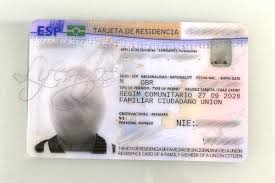
The TIE (Tarjeta de Identidad de Extranjero): This is your physical residence card. You must book a “Cita Previa” (appointment) at a National Police station to provide fingerprints. The card is usually ready for pickup 30 to 45 days later.
4. The 5-Year Milestone
Most temporary permits are granted for one to three years and are renewable as long as you maintain the original requirements (income, insurance, etc.). After five years of continuous legal residence, you can apply for Permanent (Long-Term) Residency, which grants you the right to live and work in Spain indefinitely under the same conditions as Spanish citizens.
Important for 2026: Spain has increased scrutiny on “genuine intent to reside.” If you spend more than six months outside the country in a single year, your renewal may be denied. Be sure to track your travel dates carefully.
